
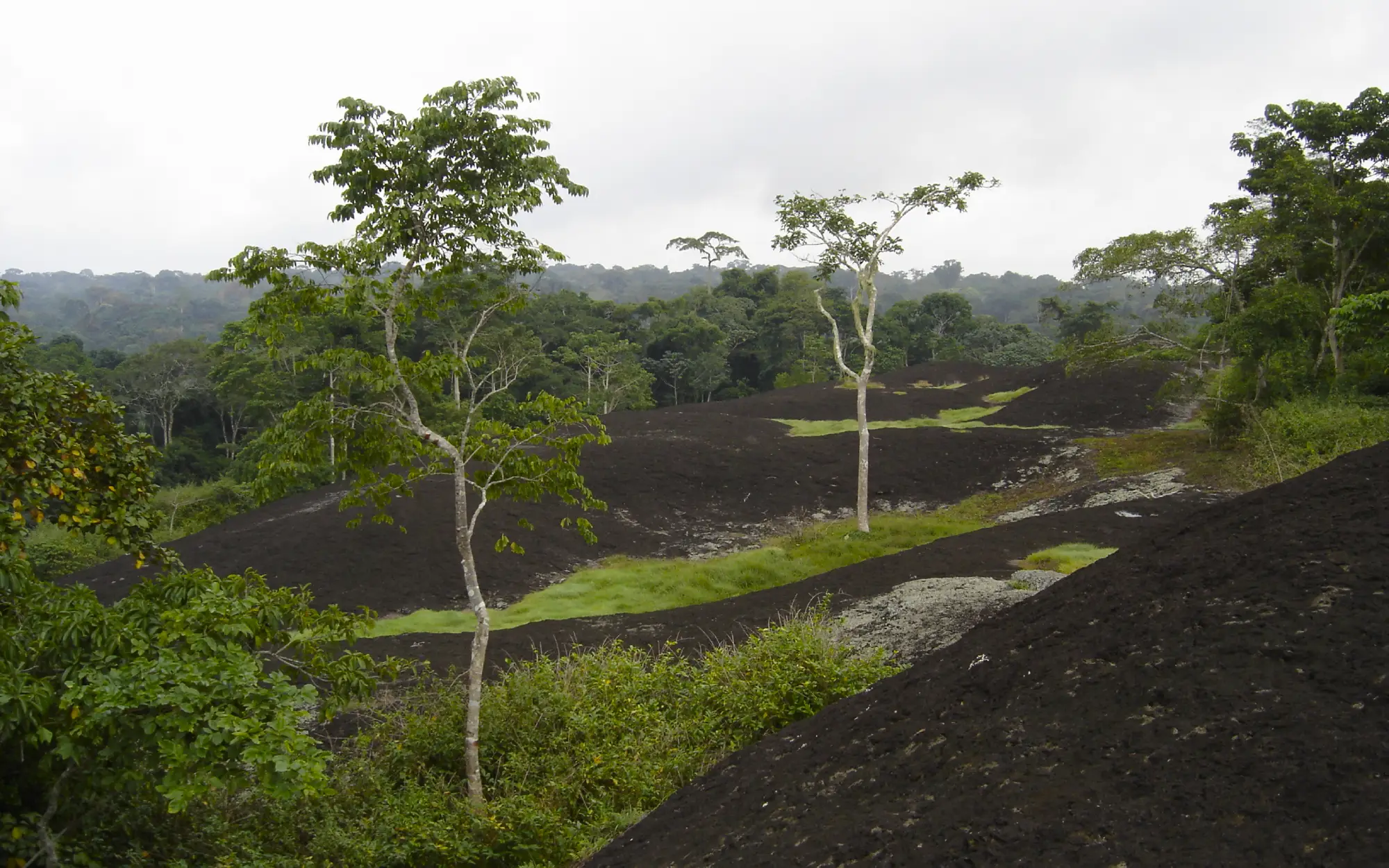
The Dja Faunal Reserve is one of Africa's finest UNESCO World Heritage Sites — a vast, pristine rainforest home to gorillas, chimpanzees, and extraordinary biodiversity. Here's how to plan your unforgettable visit.
The Dja Faunal Reserve is arguably Cameroon's greatest natural treasure — a vast, largely untouched expanse of equatorial rainforest encircled by the Dja River, designated a UNESCO World Heritage Site in 1987. For visitors seeking an authentic rainforest safari unlike anything offered in East or Southern Africa, the Dja delivers encounters with great apes and extraordinary biodiversity in one of the continent's most pristine wilderness areas.
Why the Dja Is Special
The reserve protects 526,000 hectares of equatorial rainforest that has remained virtually intact due to its remoteness and the natural barrier of the Dja River. Unlike many African protected areas fragmented by agricultural expansion, the Dja's ecosystem remains complete — from large mammals through every layer of the forest food web to the microorganisms in the soil. This ecological completeness is what earned its UNESCO designation and what makes it irreplaceable.
The Wildlife: A Forest Full of Wonders
The reserve is home to western lowland gorillas, common chimpanzees, forest elephants, buffaloes, bongos (one of Africa's most elusive and beautiful antelopes), sitatungas, and numerous monkey species including the spectacular drill and mandrill. Bird diversity is extraordinary with over 320 species. The rivers teem with fish species found nowhere else.
Gorilla Trekking in the Dja
Western lowland gorilla trekking here is one of Cameroon's premier wildlife experiences. Local tracker-guides — many of them Baka pygmies with generations of forest knowledge — lead small groups through dense forest to locate gorilla families. The experience of encountering a silverback gorilla in his wild forest home, surrounded by his family as they feed peacefully in a clearing, is profoundly moving and rarely forgotten.
Compared to mountain gorilla trekking in Rwanda or Uganda (which costs $1,500+ per permit and requires advance booking months ahead), the Dja offers a more raw, intimate, and affordable alternative. The trade-off is less tourist infrastructure and more challenging logistics — but for many, that rawness is precisely the point.
Baka Pygmy Guides: Knowledge Keepers of the Forest
The Baka people are among the world's most skilled forest navigators and trackers. Community-based tourism initiatives employ Baka guides who share their extraordinary knowledge — plants and their medicinal properties, animal behavior, forest ecology, traditional hunting techniques. This cultural exchange enriches the wildlife experience immeasurably and ensures tourism revenue reaches the communities who are the forest's true guardians.
Planning Your Dja Safari
The reserve is most accessible from Somalomo on the northern edge. The dry season (November to February) offers the best trekking conditions, though visits are possible year-round. Access requires a 4x4 on unpaved roads. Global Bush Travel organises comprehensive Dja Reserve safaris including transport, accommodation, experienced guides, park permits, and all logistics.